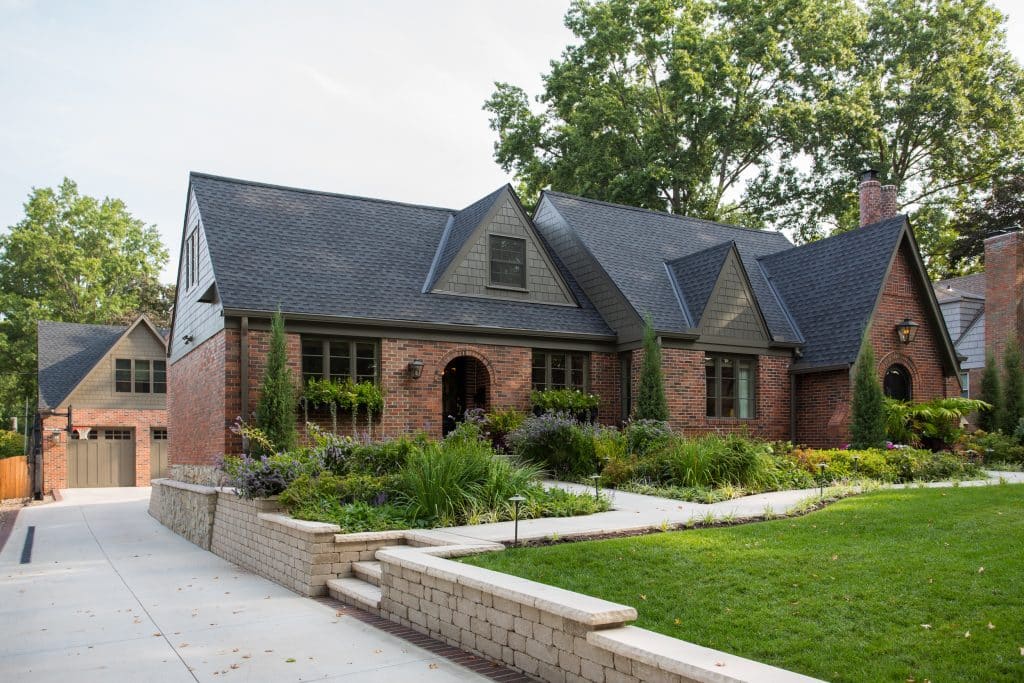
Most homeowners assume historic tax credits are for developers restoring warehouses. In Missouri and Kansas, the credit can apply to the house you live in, and it can cover a meaningful share of the work.
We hear the same surprise at nearly every site visit in an older neighborhood: “I had no idea that applied to us.” If your home is on the National Register, or sits inside a certified historic district, a careful remodel may qualify for a state credit worth 25% of qualified rehab costs, up to $250,000.
Does my house qualify?
Eligibility starts with the house, not the project. There are two common paths:
- Individually listed. Your home appears on the National Register of Historic Places on its own.
- In a certified district. Your home sits in a certified historic district and contributes to its historic character.
Many Kansas City neighborhoods built in the early 1900s include certified districts, so it’s worth checking before you assume you’re out.

Why timing matters more than anything
The states want to approve your scope before demolition starts. Work done before that approval may not count, which is the single most common way homeowners lose the credit.
Bring us in early. The paperwork has to lead the hammer, not follow it.
That’s one reason our process starts with a paid planning phase. By the time we’re pricing the real scope with our trade partners, we already know which parts of the work belong in the application.
How the review works
- Confirm eligibilityWe check your home’s listing or district status and talk through whether the project is a fit.
- Define the scopeOur line-item estimate becomes the backbone of the application, with every cost and option spelled out.
- Submit before demolitionThe state reviews the planned work. Nothing comes down until it’s approved.
- Build and documentWe keep photos, invoices and change records organized as the work happens.
- Close out with your tax advisorWe hand off the documentation your advisor needs to claim the credit.
A note on adviceWe’re builders, not accountants. We work through the review with you and your tax advisor, who should confirm how the credit applies to your situation.
How we help
We’ve worked inside Kansas City’s historic homes since 2004. We guide your project through design review, coordinate drawings with your designer or architect, pull every permit and keep the records the credit depends on. And because our carpenters are on our payroll, the work that qualifies is done by the same people who planned it.
If you’re weighing a remodel on an older home, start with a site visit. Our chief contractor will walk your space with you and tell you whether the credit is worth pursuing.